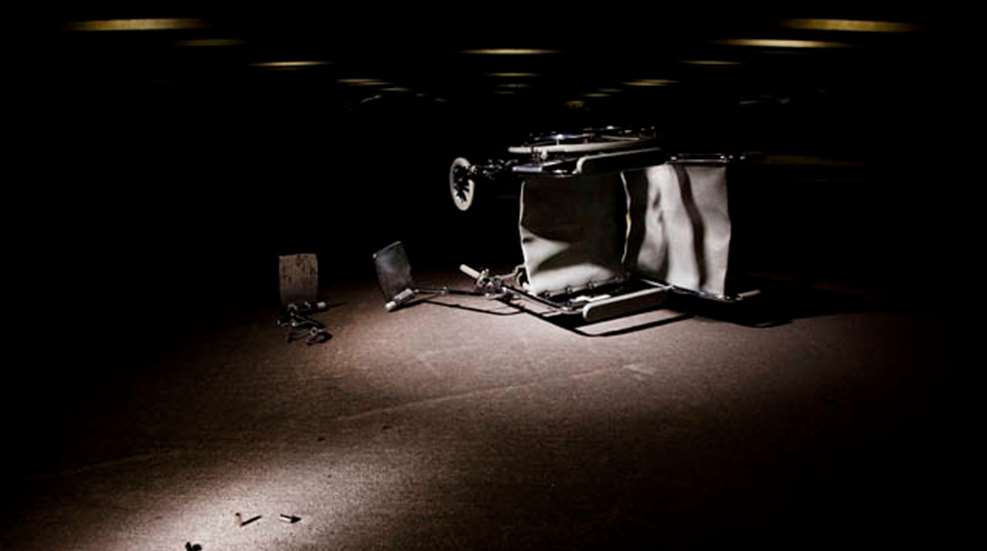
In 2008, people with disabilities were victims of 40,000 rapes or sexual assaults, 116,000 robberies, 115,000 aggravated assaults and nearly 459,000 simple assaults. In 20 percent of these cases, the perpetrator used a weapon. People with disabilities between 12 to 24 and 35 to 49 years of age were nearly twice as likely to be targeted when compared to other people in those age groups. Females with disabilities experienced higher rates of violent crime than males with disabilities. Nearly 15 percent of those victims suspected they were targeted because of their disability.
Criminals apparently know disabled people are less likely to be able to defend themselves during a violent crime, or at least perceive them to be an easy target. The 2007 numbers add emphasis to the urgency of the situation. That year, nearly 47,000 rapes, 79,000 robberies, 114,000 aggravated assaults and 476,000 simple assaults were reported with disabled victims, who were targeted 1.5 times more often than persons without disabilities.
Official statistics may not reflect the gravity of the problem. According to a March 2000 newsletter by Dan Sorensen titled "The Invisible Victims," people with substantial disabilities are victims of crime at a four- to 10-times higher rate than non-disabled people, a number the organization Disabled Crime Victims Assistance concurs with. Sorensen estimates approximately 5 million disabled people are victims of serious crime annually in the United States and that, "in California…only 4.5 percent of these crimes are reported to authorities."
The ongoing epidemic of crime perpetrated against people with disabilities has remained largely unnoticed by the American people—disabled and non-disabled alike—and ignored by the media.
In the coming months, I'll be writing a series of articles that address self-defense for the physically disabled. Topics will include awareness, mindset, coping with physical disability as it pertains to concealed carry and defensive-handgun training, things to consider when selecting a handgun for self-defense and concealed carry and more. So if you're physically disabled, know someone who is or are concerned about an aging family member living alone, spread the word.
Having cerebral palsy since birth, I realize my disability makes me a tempting prospect for those cowardly, less productive members of our society who prey upon those they surmise are easy targets. Unlike most though, I work for Shooting Illustrated and have attended a variety of training courses. Moreover, I have firearms and I'm willing to use them if necessary.