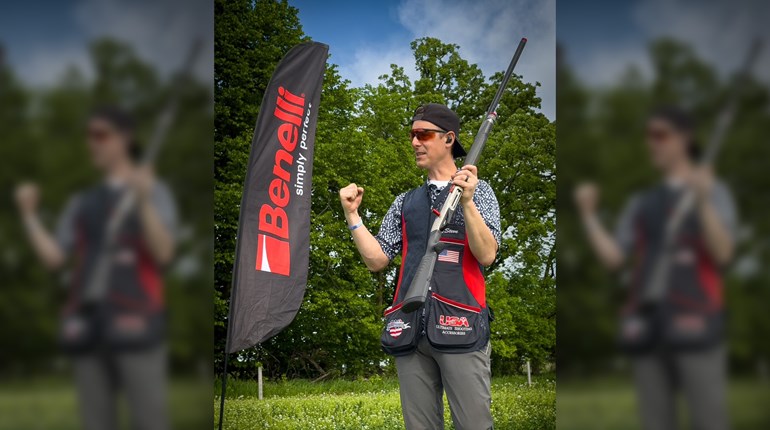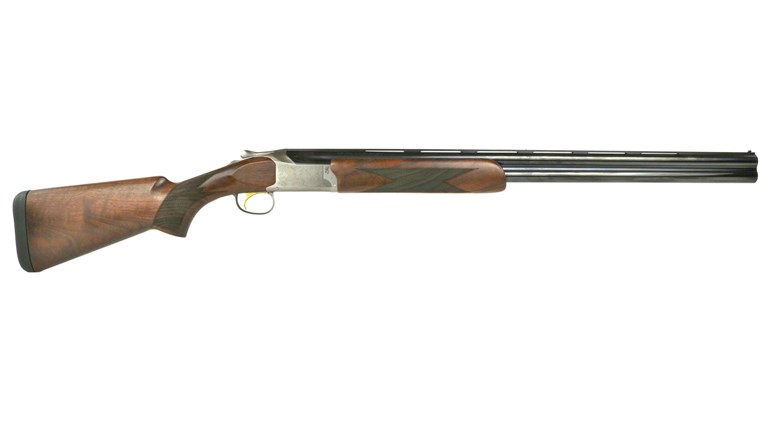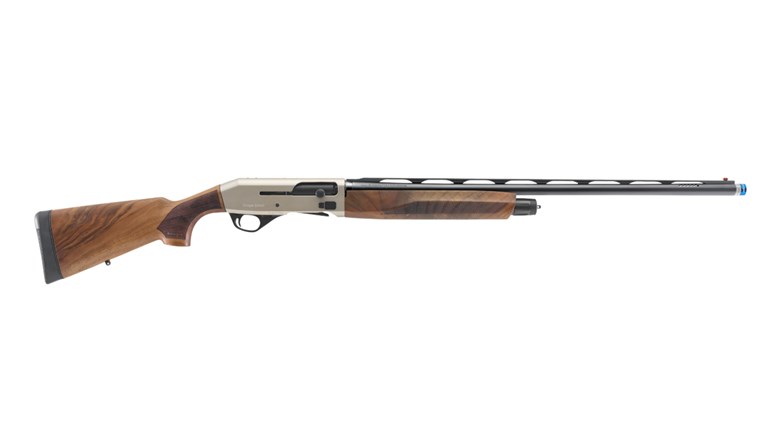
Unless you grew up on an Argentinian dove field with an eight-shot Benelli in your clutches, you likely don’t move and reload as fluently as you should while shooting a shotgun. But if you have a go-to home-defense shotgun, these actions should be as ingrained as hitting the snooze button on your alarm clock. There are several home-defense shotgun drills that can help.
Shotgunners need to be skilled in many areas, including shooting form, understanding their shotgun’s pattern at various distances, shooting while moving, shooting from cover, reloading and jam-clearing. Because the home-defense shotgun’s capacity is its weak suit, reloading is especially important, so all of the following drills should include tactical reloading, if possible.
Kick the Can: The trouble with most paper and steel targets is, unlike real assailants, they never move. So place two or more aluminum cans several feet apart, 7 yards away. Shoot the first can, and shoot it again before it quits tumbling backward. While it’s still moving from the second shot, transition to the other can and shoot it twice, and so forth. Incorporate a tactical reload.
While plenty of gurus would teach the low-ready position from which to start this drill, I advocate a ready position wherein the barrel is kept at eye level, with the strong-side wrist near the ribs. This is because most home-defense shotguns are long and many houses are cluttered. In my experience, punching the grip out and to the cheek is quicker than swinging the barrel up; plus hand-eye coordination is better when the barrel is always in view. Practice having the muzzle instinctively go to wherever you look. Then square up to the target zone (it’s OK to be slightly staggered due to the 12-gauge’s recoil) by stepping up with the lagging foot, never moving a foot backward. And remember to keep both eyes open while shooting so you’ll be faster on follow-up shots, transitions and situational awareness.
Close Quarters: In a home-defense scenario where friendlies and assailants may be entwined, shooters should have an understanding of what a shotgun’s pattern will do at various ranges. So set up a paper target to serve as a no-shoot obstacle close to you. Then place a target in line with it 5 to 10 yards behind it. Shoot from cover. With the loads you plan to use, shoot the second target while keeping pellets off the close target. Shoot it a few times until you pepper the edge of the close target, so you’ll have a better understanding of how close is too close. This will give you a sense of how far you have to expose yourself outside of cover while placing maximum shot on your intended target—without hitting unintended objects in the process.
Shooting from Cover: Home-defense shotguns are often longer than carbines, so you must know how far from a wall is an ideal shooting position. Too far away and you’re overly exposed; too close could cause you to strike the barrel against the door jamb. Doing so not only slows you down, but creates an opportunity for a bad guy to grab your barrel. Place multiple targets 3 to 10 yards from cover, and start the drill by running to the cover and engaging all the targets while behind it.
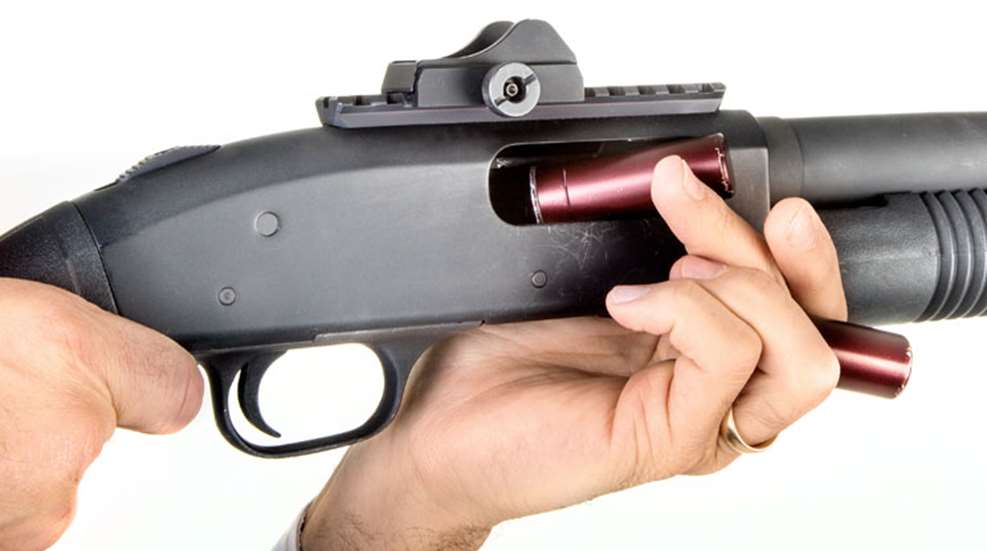
Tactical Reload: A tactical reload means finding a shell with your support hand, shoving it in the open action, and pushing the action-release button on a semi—or cycling the action on a pump—all while holding the gun on target with your strong hand. Tactical reloads differ from 3-gun techniques in that the eyes should be kept ahead, scanning for threats. And because taking 10 seconds to fully reload the magazine is an eternity when bullets are flying, it’s best to reload one shell and shoot it and repeat until the immediate threat has passed. Therefore, you must learn how to reload without looking at your hands, shells or gun.
The drill is simple. With one shell loaded in the chamber and extra shells wherever you choose to keep them handy, practice taking five shots and, fast as you can, reload one and fire it on target. After the technique is mastered, repeat it while moving to cover. Next, turn out the lights. I recommend buying snap caps so you can drill in your living room with your go-to home-defense shotgun.
Clearing Jams: A drill for jam clearing is best accomplished with a shooting partner. While on the firing line, swap guns. You set up a jam in your partner’s gun any way you wish, and they’ll do the same for you. Next lay the gun on the firing line. Time each other as you grab the shotgun, figure out what you must do to clear it while moving to cover and fire.