In the old days we called it “pulling the trigger.” Then along came Jeff Cooper who started calling it the “trigger press.” Words are just words, but what Cooper meant was that the trigger should be pressed smoothly and softly so that the gun muzzle was not pulled off target. And that is not as easy as it might sound.
In defensive shooting, the trigger finger has to work independently from the rest of the shooting hand. We maintain a firm grip on the pistol with the other three fingers and thumb. At the same time, the trigger finger has to almost gently stroke the trigger until the shot is fired. When we fail to do this, the movement causes the gun muzzle to move and where the gun muzzle is pointed is where the bullet will go. Bill Jordan once, jokingly, said, “I don’t understand it. The sights were perfectly lined up before I shut my eyes and jerked the trigger!”
To accomplish a smooth trigger press we simply have to practice a lot. And, every gun is different. A 4-pound, clean-breaking trigger performs differently from a 10-pound, gritty trigger. That’s the main reason I stick with one particular gun for defensive carry and practice with it quite a bit.
This is one area where dry practice really helps the shooter. He or she can work on managing the trigger without the distraction of muzzle blast and recoil. The sight should be focused on a relatively small object and work on making the press so smooth the sights stay on that object as the sear breaks and the hammer falls.
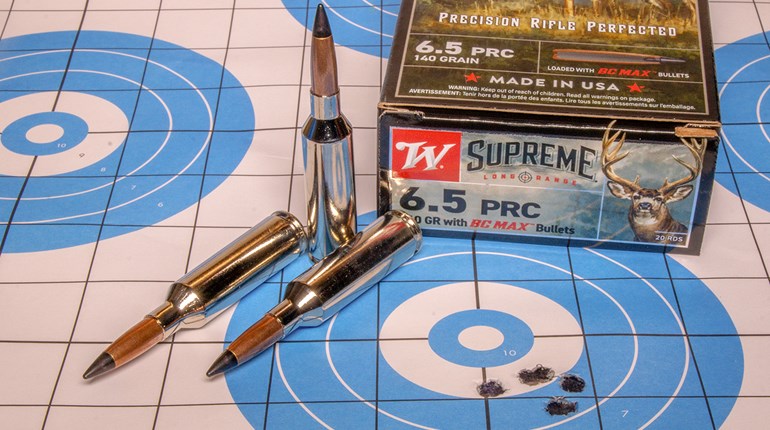
Col. Cooper also taught the importance of the Surprise Break. That is, the shooter presses so smoothly that he or she cannot anticipate the instant that sear breaks and the hammer falls. Again, to do otherwise causes the muzzle to move and the shot to go astray. This is usually what is happening when you see a shooter’s target with all of the shots grouped low of the aiming point.
In my opinion, this is something that we shooters never entirely overcome. And, it is one of the reasons that we should practice on a regular basis, with dry practice and live fire. We start slowly and practice until we can speed up the whole process without having our shots move off the intended mark.
Regardless of what we think we are doing, the bullet is going to go where the muzzle is pointing. Gun muzzles and bullets don’t lie. If you are having trouble getting them to do what they are supposed to do, you might want to work on that trigger press.