Given the hustle and bustle of our daily lives and the fact many of us live quite a ways from a shooting range, we can't always get in the amount of defensive shooting practice we need. This is one of the reasons dry-fire drills are worth doing. Dry practice is simply practice with an unloaded handgun, and it can be done right in the home.
However, dry-fire drills have to incorporate a serious concern for safety. Obviously, a lot of bad things can happen if you have a negligent discharge in your house, and firing a shot from a handgun you thought was unloaded is absolutely no excuse. It is best to get in the habit of unloading the handgun (check it twice) and leaving all of your ammunition in another room. Make this a major part of your dry-fire drills to guarantee your handgun is empty and stays that way for the entire session.
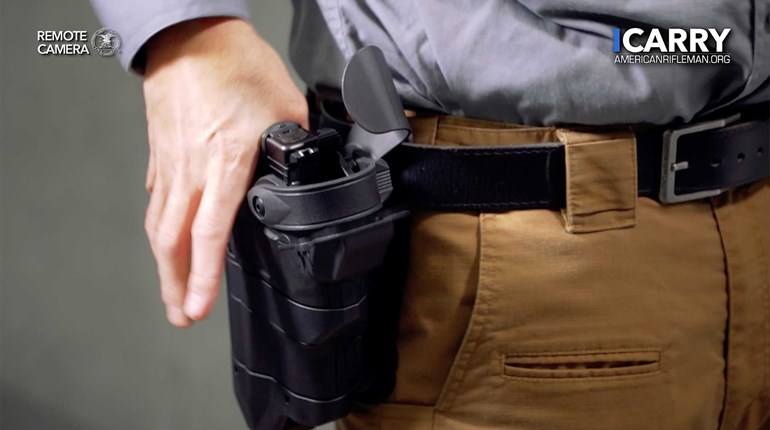
Every dry-fire practice session should include pistol presentation. It is important to work for smoothness, not speed. Speed will come as a natural result of effective practice. It is also a good idea to practice this presentation with the gun and holster you usually wear for personal defense. Also be sure to use the covering garment you ordinarily wear, too.
Dry-fire practice of pistol presentation gives the defensive shooter an opportunity to work on his grip, sight alignment and trigger squeeze. A shooting grip should be obtained the moment the hand touches the pistol. As the gun comes on target, the sights should be lined up. It is critical for accurate shooting that the trigger be pressed, not jerked, as the shot is delivered. There is really no such thing as muscle memory (muscles don't have memory), but a person can use dry-fire practice to form good habits that will stay with him because of the repetitions in practice.
I don't like to do my dry-fire practice in front of a mirror. Using a mirror causes one to look at one's reflection instead of concentrating on the basics. Instead, a light switch on the wall makes a nice aiming point, or you can draw a silhouette on paper and tape it to the wall—it really doesn't matter. Just select some small aiming point as the target and concentrate on it.
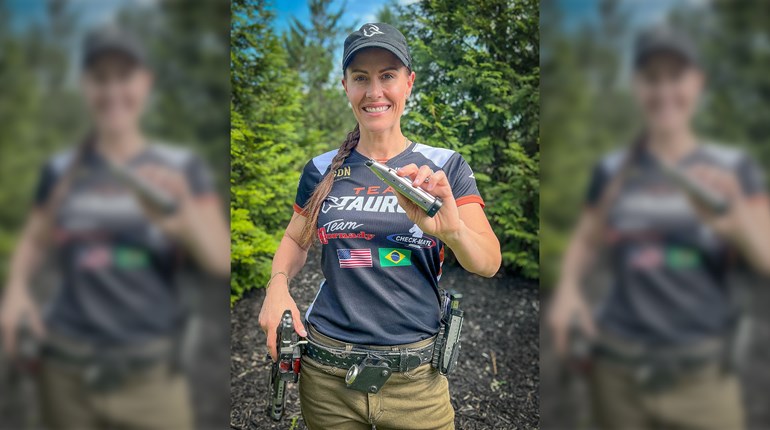
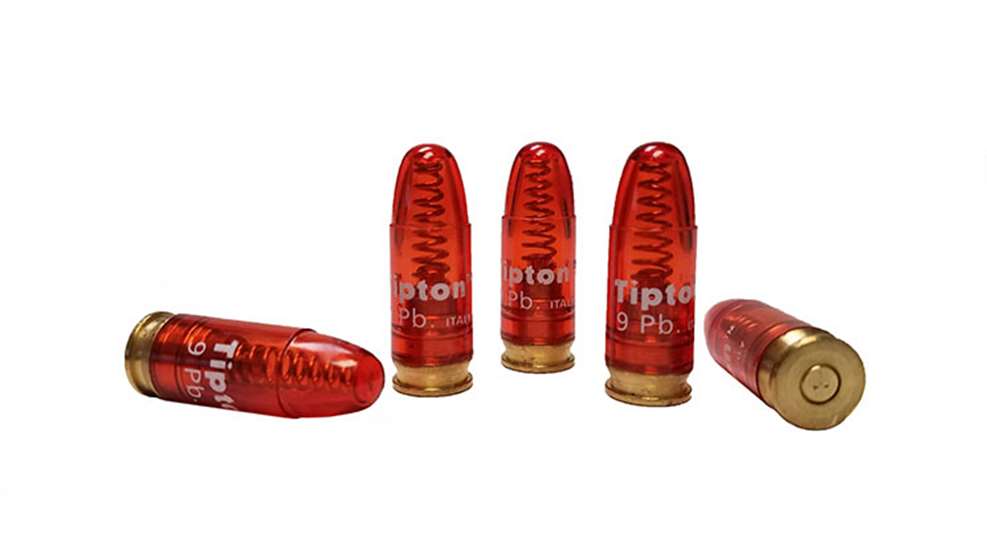
Dry-fire drills also a good time to practice the various reloading techniques. Dummy rounds can be obtained from several supply sources. I especially like metal dummy rounds that are colored a dark red or maroon, because they clearly look different compared to live ammunition.
Dry-fire drills are a great way to work on the basics without the distraction of muzzle blast and recoil. Short practice sessions—about 10 to 15 minutes long—several times per week, will do wonders for a person's shooting ability. The focus should be on smoothness. Remember, the overriding requirement is for you to be safe.